Is It Legal to Publish an AI-Generated Podcast?
Yes — you can generally publish an AI-generated podcast. The legal risk almost never comes from "AI made it"; it comes from the inputs: using source material you do not have the rights to, or cloning a real voice without permission. Use sources you own and clearly-synthetic voices, and you are on safe ground.
The worry behind "is this even legal?" is usually misplaced. You can generally publish an AI-generated podcast — the legal risk almost never comes from the fact that AI made it; it comes from the inputs: source material you don't have rights to, or a cloned voice you don't have permission to use. Get the inputs right and you're on safe ground. (This is general information, not legal advice.)
"AI Made It" Is Rarely the Problem
There's no broad law against publishing AI-generated audio. People conflate two separate questions:
- Can I publish it? Almost always yes.
- Can I stop others from copying it? That's the murkier copyright question.
Most creators only care about the first, and the answer there is reassuring. The second matters mainly if you're building something you need to protect against copycats.
The Copyright Nuance (Plain Language)
Copyright law for AI output is still settling, and it differs by country. The general shape in the US:
- Purely AI-generated content may not qualify for copyright protection on its own.
- Human creative contribution — your script edits, your selection and arrangement, your original framing — can attract protection for those human parts.
The practical takeaway: this affects how much exclusive protection you get, not whether you're allowed to publish. For a typical creator or business, publishing is fine; just don't assume an unedited AI episode gives you an ironclad monopoly over the audio.
Where the Real Risk Lives: Your Inputs
This is the part worth your attention.
| Input | Generally fine | Risky |
|---|---|---|
| Source material | Documents you wrote or own; public/public-domain sources; licensed content | Someone else's copyrighted book, paywalled article, or report you have no rights to |
| Voices | Curated synthetic / TTS voices | Cloning or imitating a specific real person without consent |
| Trademarks/brands | Discussing or reviewing them | Implying false endorsement or affiliation |
| Quotes | Short, attributed excerpts | Reproducing large portions of a protected work |
If you make a podcast from a PDF, the question isn't "is PDF-to-podcast legal?" — it's "do I have the right to use this PDF?" Summarizing your own whitepaper is fine; republishing a competitor's copyrighted ebook as audio is not.
Want sources and voices you control? Create a free podcast with DIALOGUE — work from your own material with curated voices, and review the script before publishing. First 2 episodes free.
Voices and Likeness
Using a clearly-synthetic, non-impersonating voice is generally fine. The risk is cloning or closely imitating a specific real person's voice without permission, which can raise right-of-publicity and likeness claims. This is exactly why DIALOGUE uses curated synthetic voices rather than cloning real people — it keeps you clear of the messiest area. The trade-offs are covered in can you clone your voice for an AI podcast.
Disclosure Is Separate From Legality
Whether you must label the podcast as AI is a different question from whether you may publish it. In most cases disclosure isn't legally mandated for ordinary content, but it's good practice and increasingly expected — see do you have to disclose that a podcast is AI-generated. Advertising and political content have stricter rules.
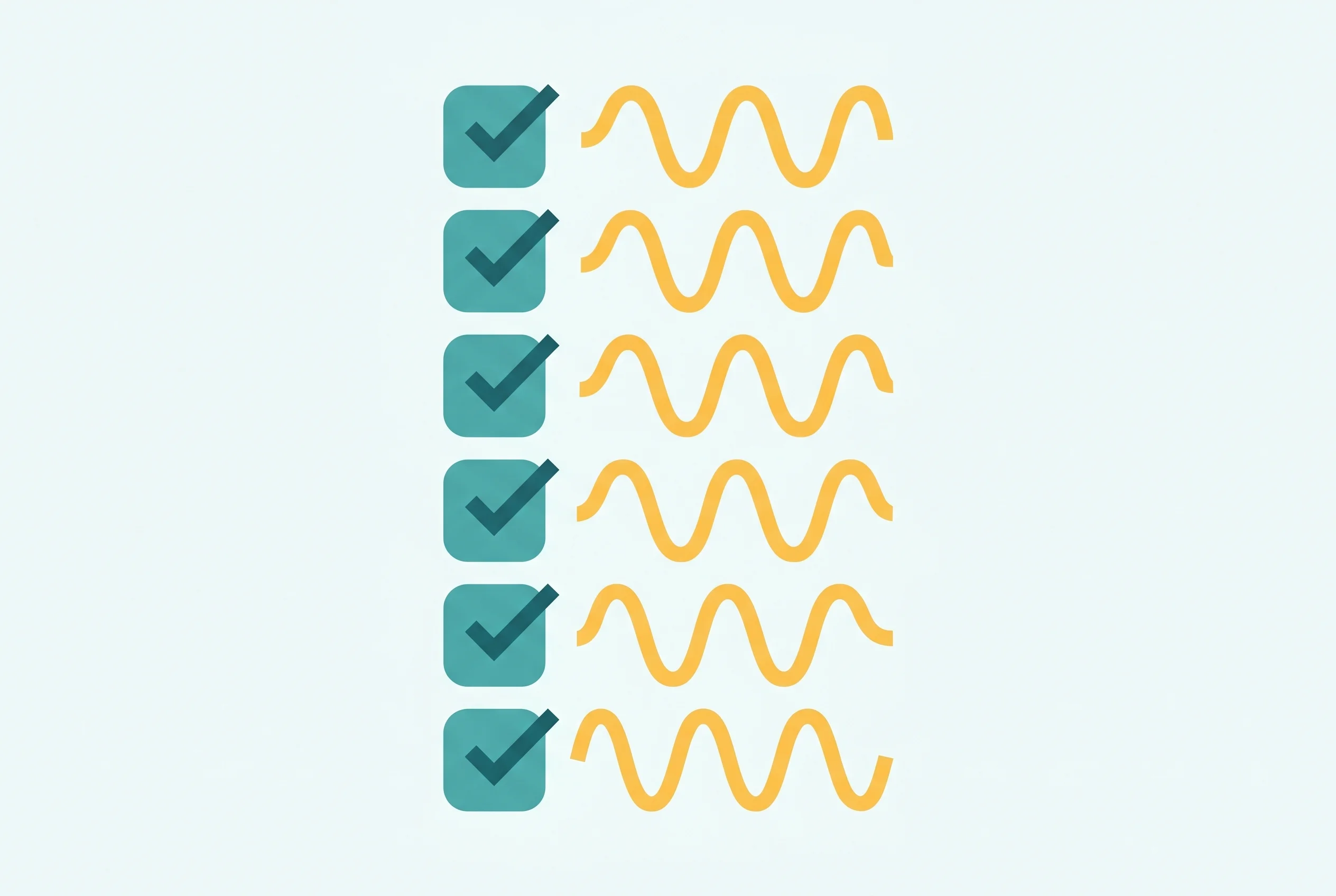
A Simple Safe-Ground Checklist
- Use source material you own, that's public, or that you're licensed to use.
- Use synthetic voices that don't impersonate a specific real person.
- Don't imply endorsements or affiliations that aren't real.
- Disclose AI involvement, especially for synthetic voices.
- Review the script before publishing so you stand behind every claim.
Do those five things and the vast majority of AI podcasts are on solid footing.
Bottom Line
Publishing an AI-generated podcast is generally legal. Focus your attention where the risk actually is — the rights to your source material and the voices you use — rather than on the AI itself. Use inputs you control, keep a human review step, and disclose appropriately, and you can publish with confidence.
This article is general information, not legal advice. For your specific situation — especially advertising, political, or commercial use — consult a qualified attorney.
Build on safe ground. Start a free podcast with DIALOGUE — your sources, curated voices, human-reviewed scripts. 2 free episodes.
Written by
Chandler NguyenAd exec turned AI builder. Full-stack engineer behind DIALØGUE and other production AI platforms. 18 years in tech, 4 books, still learning.
Related Articles
Ready to create your own podcast?
Turn any topic or document into a professional podcast — with outline and script review before audio.
Create a Podcast